All In Tree Services and Pro

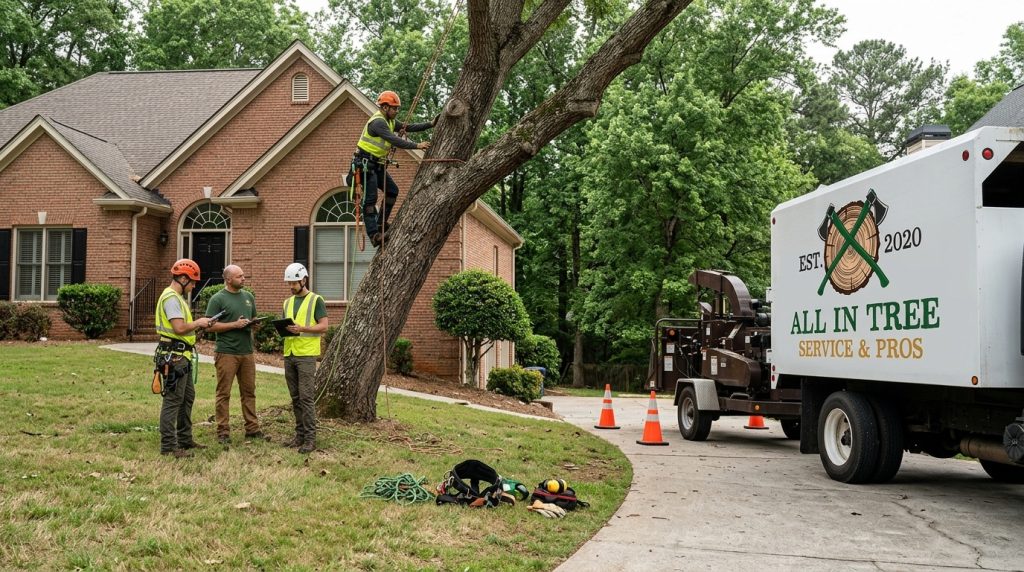
Tree_crew_inspecting_leaning_oak

Tree Removal or Trimming? Questions to Ask Before Work Starts

Tree Removal or Trimming? Questions to Ask Before Work Starts

Tree Removal or Trimming? Questions to Ask Before Work Starts should begin with the condition of the tree and the targets around it. Height alone does not determine whether a tree should be pruned, supported, monitored, or removed. Roots, trunk structure, major unions, canopy condition, soil, recent weather, access, and nearby buildings all change the decision.

The short answer

A tree may need professional attention when it has fresh cracks, large dead limbs, sudden lean, root movement, cavities, decay, storm damage, or repeated branch failure. Those signs do not automatically require removal, but they justify an on-site evaluation before people, vehicles, or property remain exposed.

Assess the whole tree and the whole site

Start at the ground. Look for lifted soil, damaged roots, trenching, grade changes, and fungal growth near the base. Move upward to the trunk, major unions, and canopy. Then consider what could be struck if a limb or the tree fails. A defect over an open area is not the same risk as the same defect over a house, driveway, utility, or occupied space.

Warning signs property owners can document

  • Fresh splits or cracks in the trunk or a major branch union
  • New leaning or soil movement near the root plate
  • Large dead branches or rapid canopy thinning
  • Cavities, soft wood, loose bark, or visible decay
  • Broken or hanging branches after wind or storms
  • Roots cut by construction, drainage work, or vehicle traffic
  • Repeated limb failure from the same tree

Removal and trimming solve different problems

tree trimming can address deadwood, clearance conflicts, selected weight reduction, and structural pruning goals. professional tree removal may be appropriate when the tree is dead, severely compromised, poorly located for its condition, or presents risk that cannot reasonably be reduced through pruning or support. A recommendation should explain why the proposed action matches the defect.
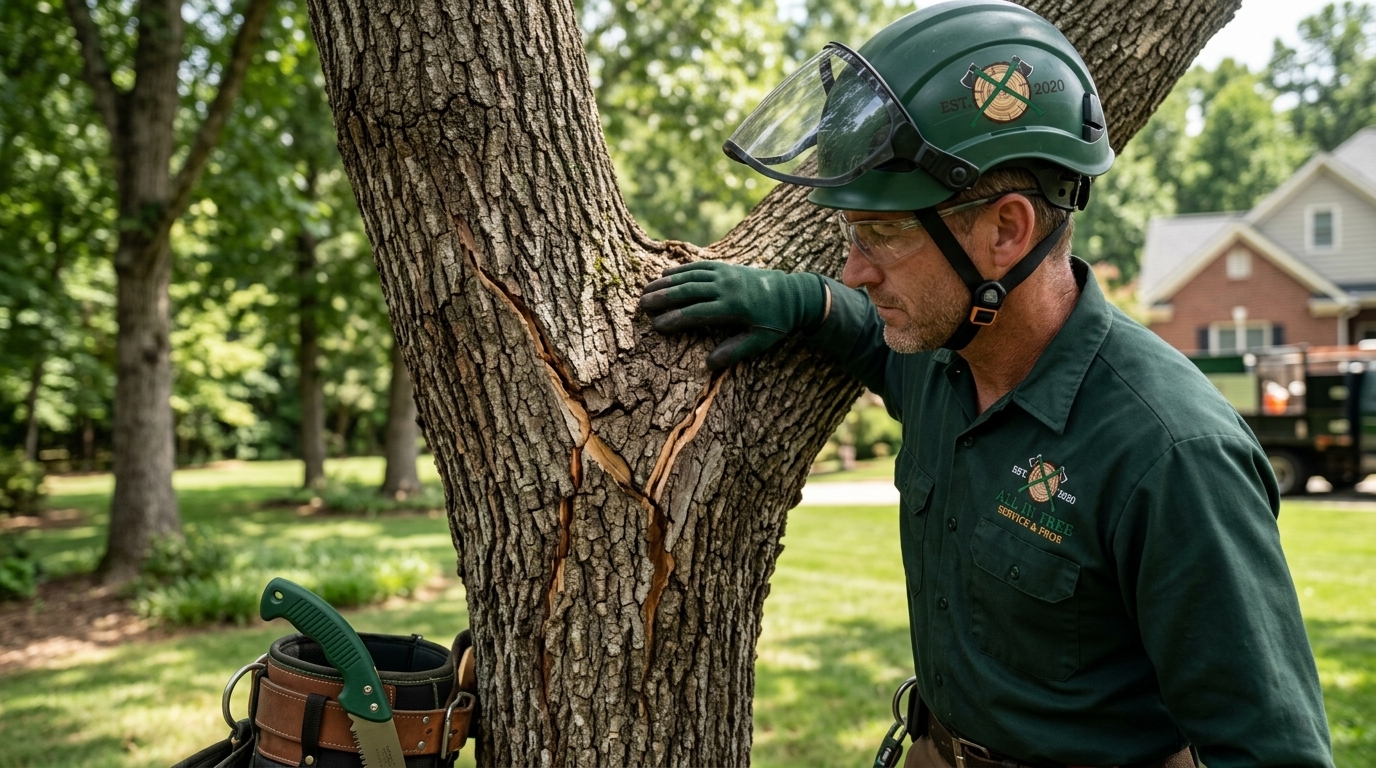
Arborist_examining_tree_trunk

When support systems may be discussed

For Vilchis projects involving a valuable tree with a weak union, emergency tree removal may be part of the discussion. Cabling and bracing are supplemental support systems; they do not reverse decay, repair roots, or guarantee that a tree cannot fail. They require an appropriate assessment and future monitoring.

Why two similar trees can have different scopes

Size is only one variable. Lean, condition, species, proximity to structures, utility conflicts, terrain, access, rigging, crane needs, debris volume, and stump work can make two trees of similar height very different projects. A tree in an open yard may allow straightforward equipment access. A tree over a roof may require controlled dismantling and complex rigging.

How to prepare the property

  1. Move vehicles, furniture, grills, play equipment, and other movable objects.
  2. Keep people and pets out of the work zone.
  3. Identify irrigation, septic components, underground utilities, gates, fragile paving, and landscaping.
  4. Discuss where equipment can enter, turn, and stand.
  5. Confirm whether wood, chips, debris removal, and stump work are included.
  6. Photograph sensitive property conditions before work begins.

Storm-damaged trees require extra caution

Do not stand beneath hanging limbs, touch trees entangled with utilities, or attempt chainsaw work under tension. If a tree contacts a power line, keep clear and contact the utility or emergency authorities as appropriate. For urgent tree conditions, use emergency tree removal rather than treating the situation as routine trimming.

Questions to ask before approving the work

  • What condition is driving the recommendation?
  • Could pruning, support, or target management reasonably reduce the concern?
  • What equipment and access will be required?
  • How will nearby structures and landscaping be protected?
  • What cleanup, wood handling, and stump work are included?
  • What should be monitored after the work is complete?
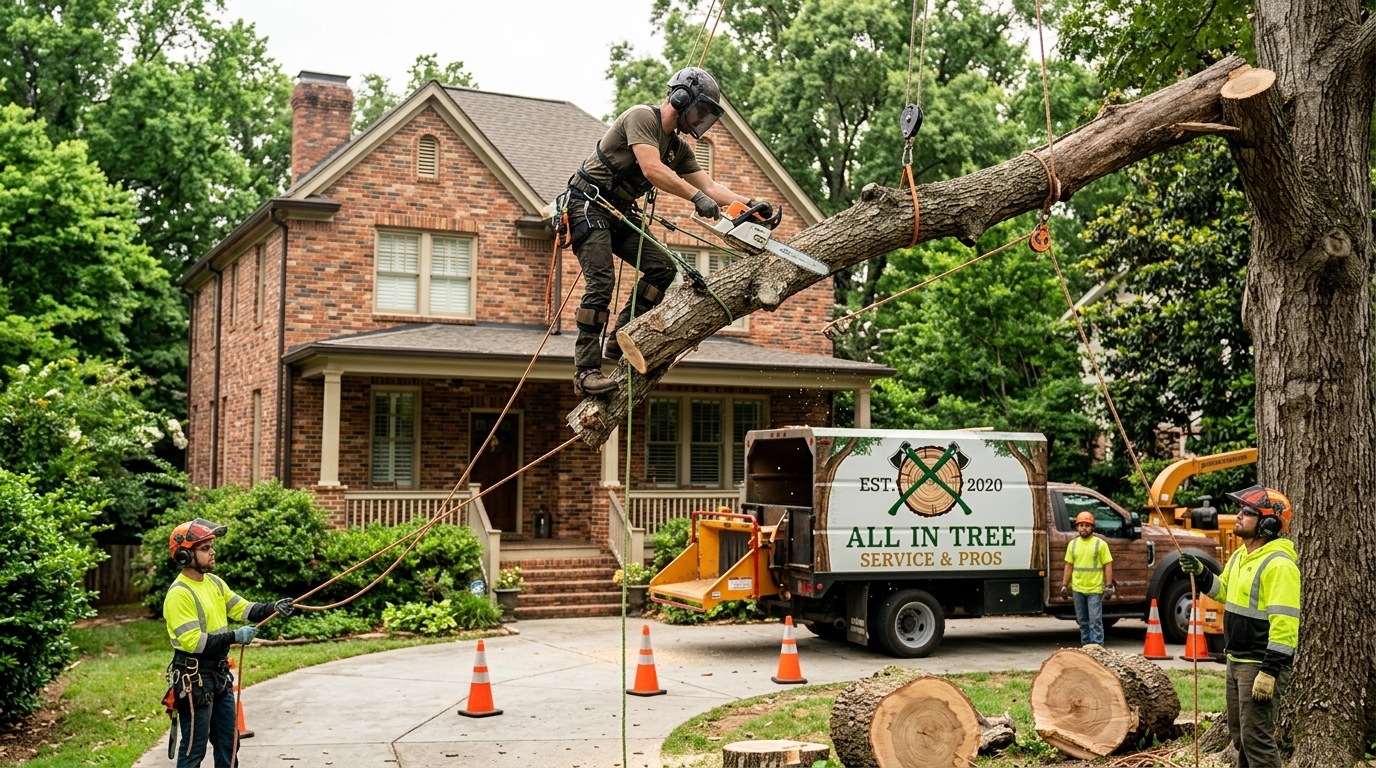
 

Climber_pruning_tree_limbs

Frequently asked questions

Does every leaning tree need removal?

No. A long-standing lean can differ from a new lean with root movement. Condition, direction, targets, and soil evidence matter.

Can a photo provide a final diagnosis and quote?

Photos help with screening, but access, utilities, root conditions, rigging needs, and defects may only be clear on site.

Can a damaged tree always be saved?

No. Some conditions can be managed, while others make removal the practical choice. The answer requires an on-site assessment.

Should the stump be included automatically?

No. Stump handling is a separate scope on many jobs. Confirm whether grinding, chip removal, backfilling, or surface preparation is included.

Get a site-specific recommendation

If you are planning work related to tree removal vs trimming Georgia in West Metro Atlanta, GA, contact stump grinding. The final plan should match the tree, property, access, and intended outcome—not a generic recommendation.

Leave a Comment

Your email address will not be published. Required fields are marked *