Average Tree Trimming Cost by Tree Size
Tree Size | Height | Typical Cost |
|---|---|---|
Small | Under 25 feet | $150 to $400 |
Medium | 25 to 50 feet | $300 to $800 |
Large | 50 to 75 feet | $600 to $1,200 |
Extra large | Over 75 feet | $1,000 to $2,000+ |
These ranges reflect what we see across Metro Atlanta. Trees with easy access on flat ground fall toward the lower end. Trees near power lines, over rooftops, or in tight spaces push the price higher.
What Drives the Price Up or Down?
Tree height and spread. Taller trees take more equipment, more time, and sometimes a bucket truck or climbing gear. A 30-foot crape myrtle is a completely different job than a 70-foot red oak. I price them accordingly.
Number of trees. We give a lower per-tree price when you have several trees done at the same time. If you have three or four that need work, getting them done in one visit saves you money and saves us a trip.
Species and branch density. Hardwoods like oaks, hickories, and maples cost more because the branches are heavier and the canopy is denser. Pines and other softwoods trim faster and usually come in cheaper.
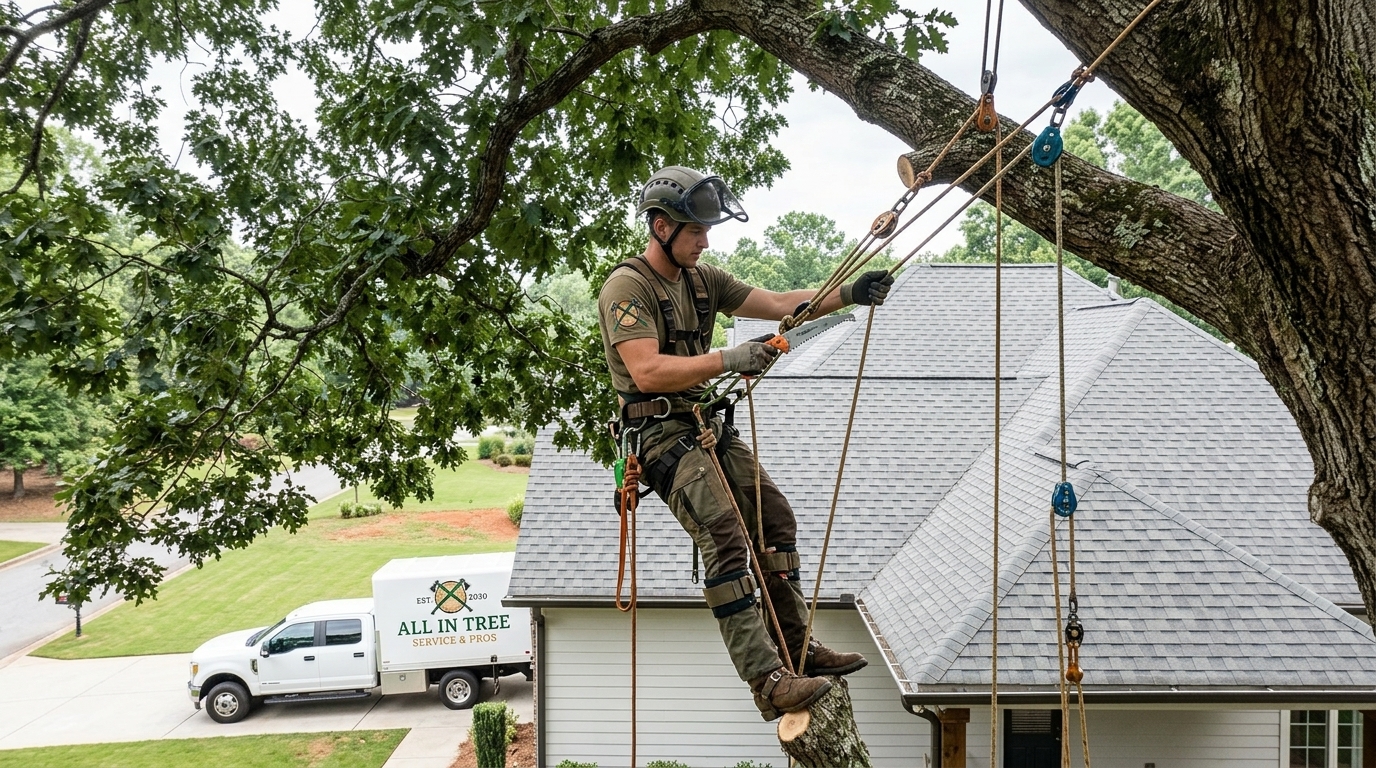
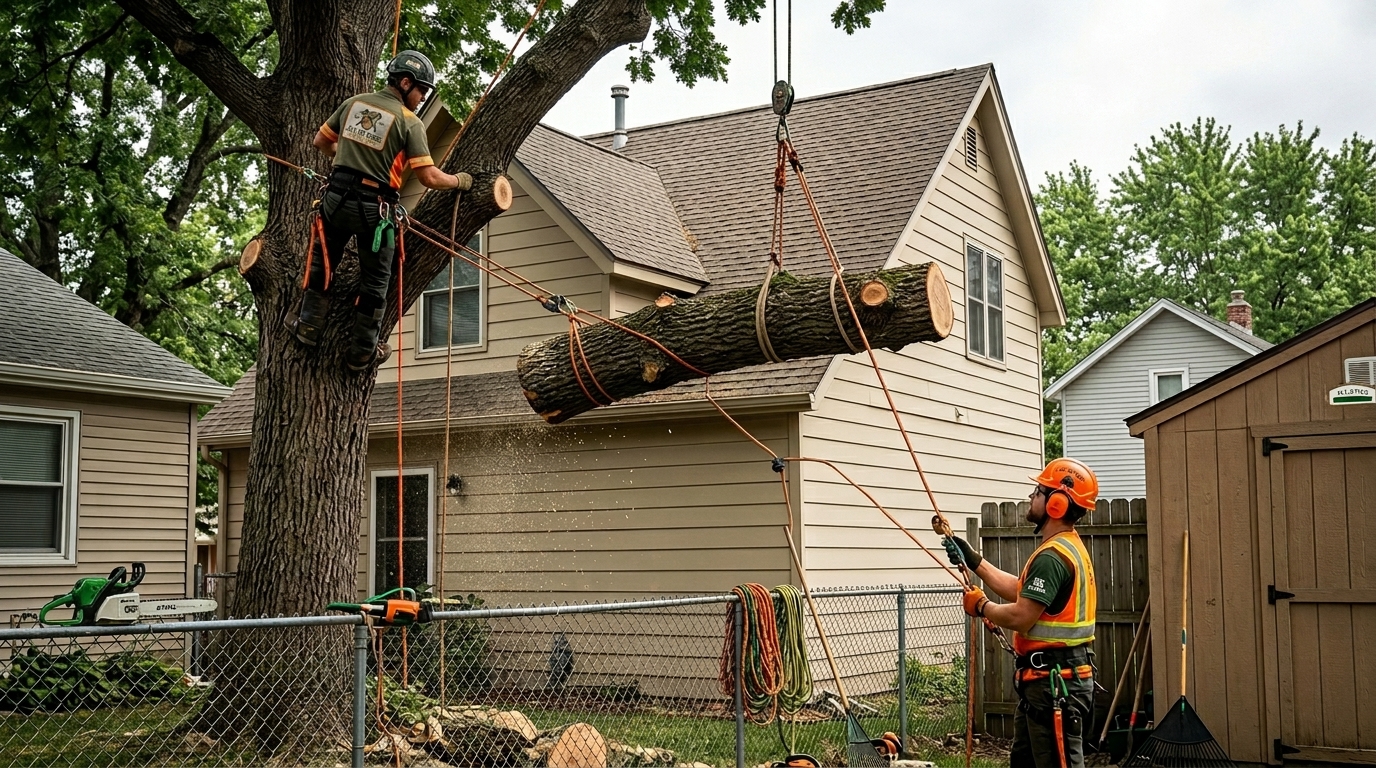
Access and obstacles. A tree standing alone in an open yard is straightforward. A tree hanging over a house, fence, pool, or power line adds time. If our crew needs to lower branches with ropes instead of letting them fall, that extra care shows up in the price.
Tree health and condition. Dead branches are unpredictable. Diseased wood can crack or fall while we are trimming, and that forces us to slow down and take extra precautions. If the tree has a lot of deadwood, plan for a higher estimate.
Time of year. Late fall and winter are our slower months. We sometimes offer lower rates then because demand drops after the growing season. Spring and summer are when everyone calls at once, and pricing reflects that.
Tree Trimming vs. Tree Pruning
People use these terms like they mean the same thing, but there is a difference.
Trimming focuses on shaping the tree, controlling growth, and clearing branches away from structures, power lines, or walkways. The goal is appearance and clearance.
Pruning is more targeted. We remove specific branches to improve tree health, air circulation, or sunlight through the canopy. We also prune to remove dead, damaged, or crossing branches that could cause problems later.
Most residential jobs involve a mix of both. When we write up your estimate, we spell out exactly what work we are doing so there are no surprises.
How Often Should You Trim Your Trees?
Here is what we recommend for Georgia trees:
- Hardwoods (oak, maple, hickory): every 3 to 5 years
- Fruit trees (peach, apple, pear): annually, usually in late winter
- Ornamental trees (crape myrtle, dogwood, cherry): every 2 to 3 years
- Pines: as needed, usually only for clearance or dead branch removal
- Fast-growing species (sweetgum, tulip poplar): every 2 to 3 years
Trees near structures, driveways, or power lines may need attention more often for safety and clearance. I always tell customers: tree work is cheaper and safer before it turns into an emergency.
Should You Trim Trees Yourself?
For small trees under 15 feet with branches you can reach from the ground, basic trimming with a pole pruner or hand saw is reasonable. Stick to branches under 3 inches in diameter.
Call a professional for anything that involves:
A ladder. Ladders and chainsaws do not mix. Falls from ladders cause more tree trimming injuries than anything else. I have seen the aftermath, and it is not worth the savings.
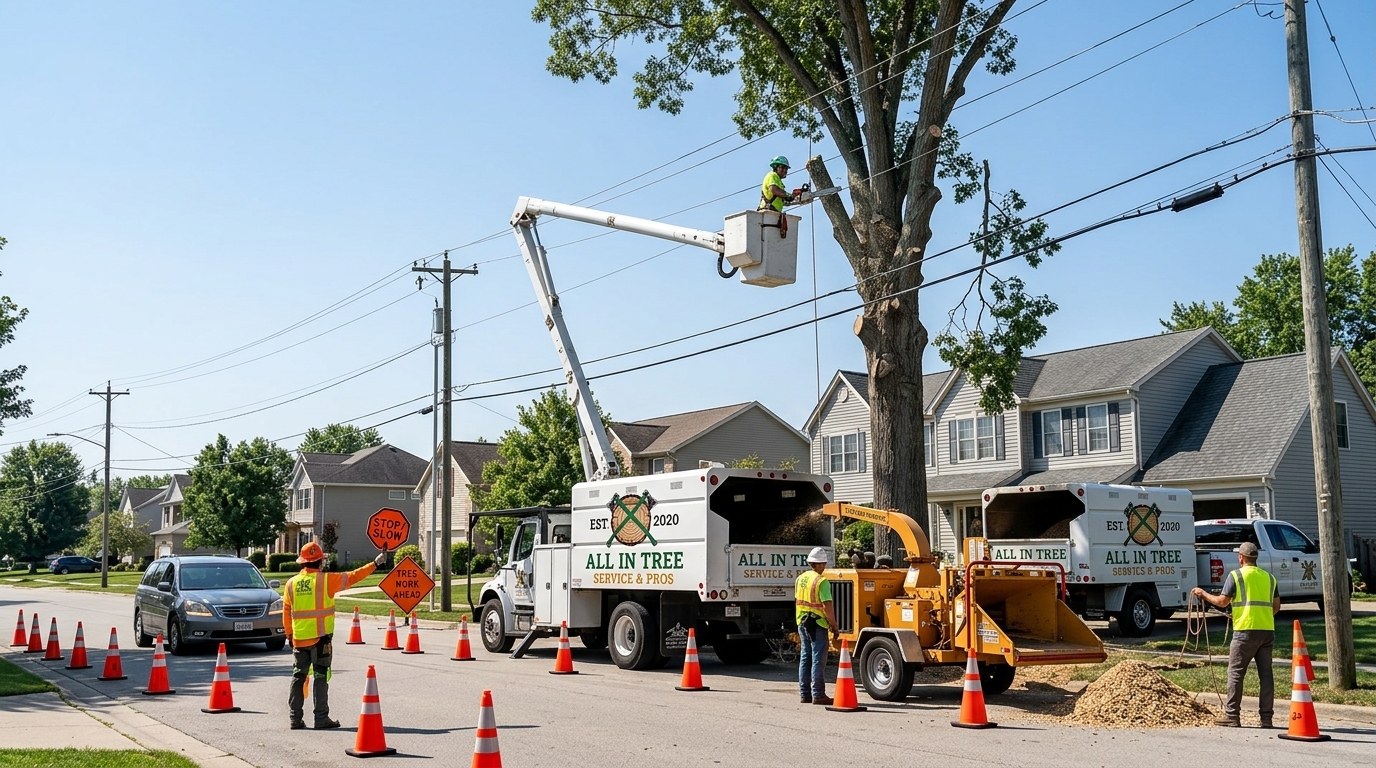
Branches near power lines. Georgia Power requires a minimum 10-foot clearance from distribution lines. Never trim branches within reach of a power line.
Branches over a roof, fence, or other structure. Dropping a heavy limb onto your roof turns a $500 trimming job into a $5,000 repair. We see this happen every year.
Dead or hanging branches. Deadwood is brittle and unpredictable. It can snap without warning while you are cutting something else nearby.
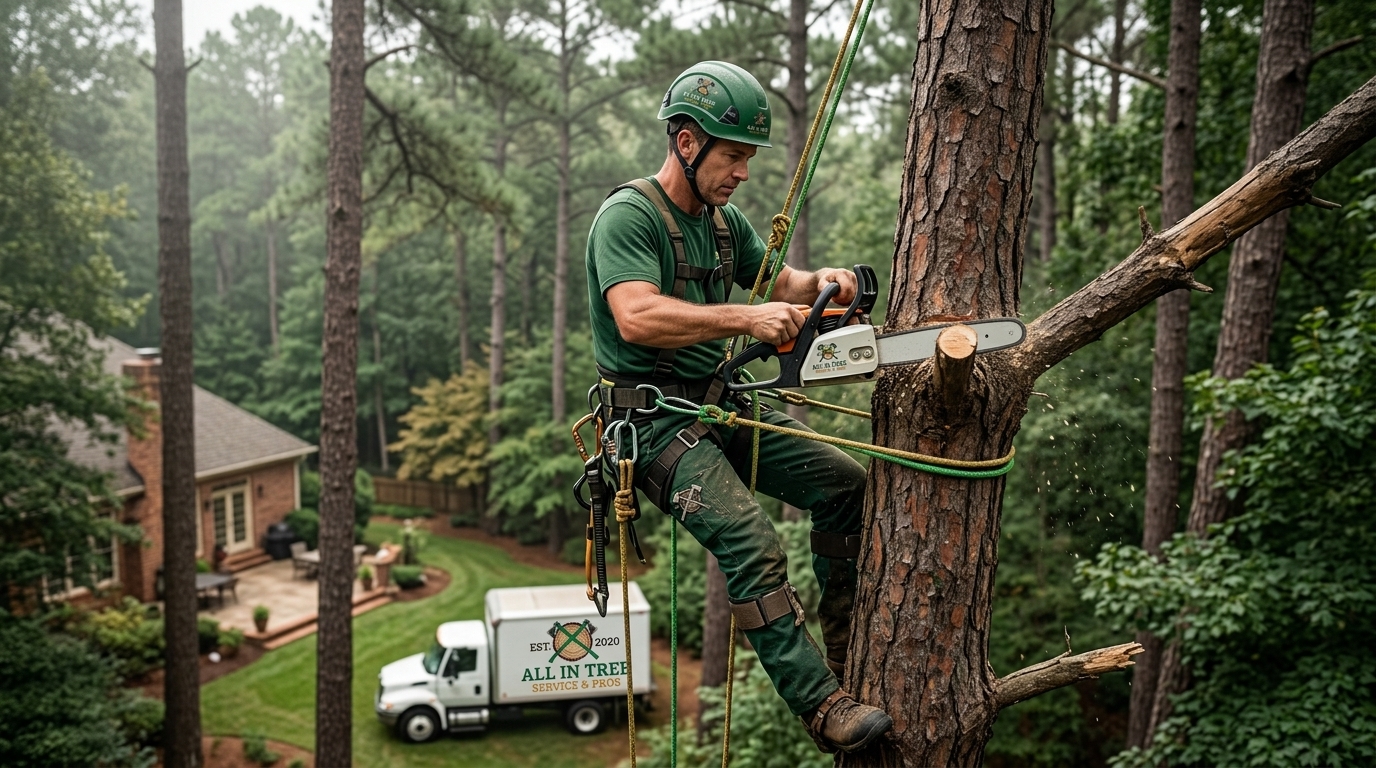
Anything you cannot safely reach from the ground. If you need to climb, you need a pro.
What to Look for in a Tree Trimming Estimate
When you get estimates, here is what a good one should include:
- Specific scope of work. Which trees, what kind of trimming, and how much material is coming off.
- Cleanup. Will the crew haul away all branches and debris, or leave it? This should be spelled out clearly.
- Proof of insurance. Ask for a certificate of general liability and workers’ compensation. If an uninsured worker gets hurt on your property, you could be held liable.
- No big upfront payment. Legitimate tree services do not ask for full payment before work starts. A deposit on larger jobs is normal. Someone demanding cash upfront before touching a tree is a red flag.
Get two or three estimates before deciding. Prices vary, and so does the quality of the work.
Common Tree Trimming Jobs We See in Metro Atlanta
Georgia’s climate makes trees grow fast, which means they need regular attention. Here are the most common trimming jobs we handle across Smyrna, Marietta, Powder Springs, and the surrounding areas:
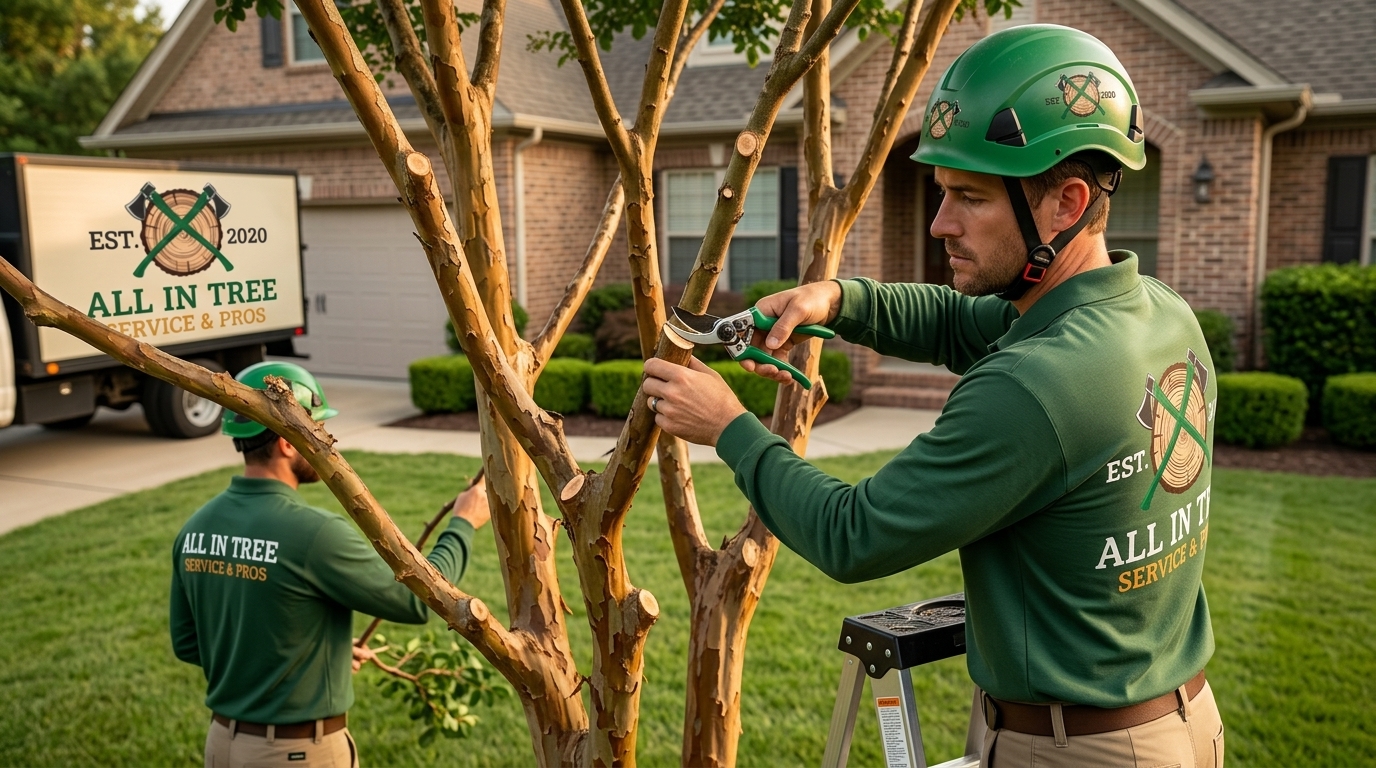
Crape myrtle shaping. Crape myrtles are everywhere in Georgia. They grow aggressively and need regular shaping. We focus on proper trimming that maintains the tree’s natural form and promotes better blooming. “Crape murder” (cutting the main trunks down to stubs) weakens the tree over time, and we steer our customers away from it. Expect $100 to $300 per tree.
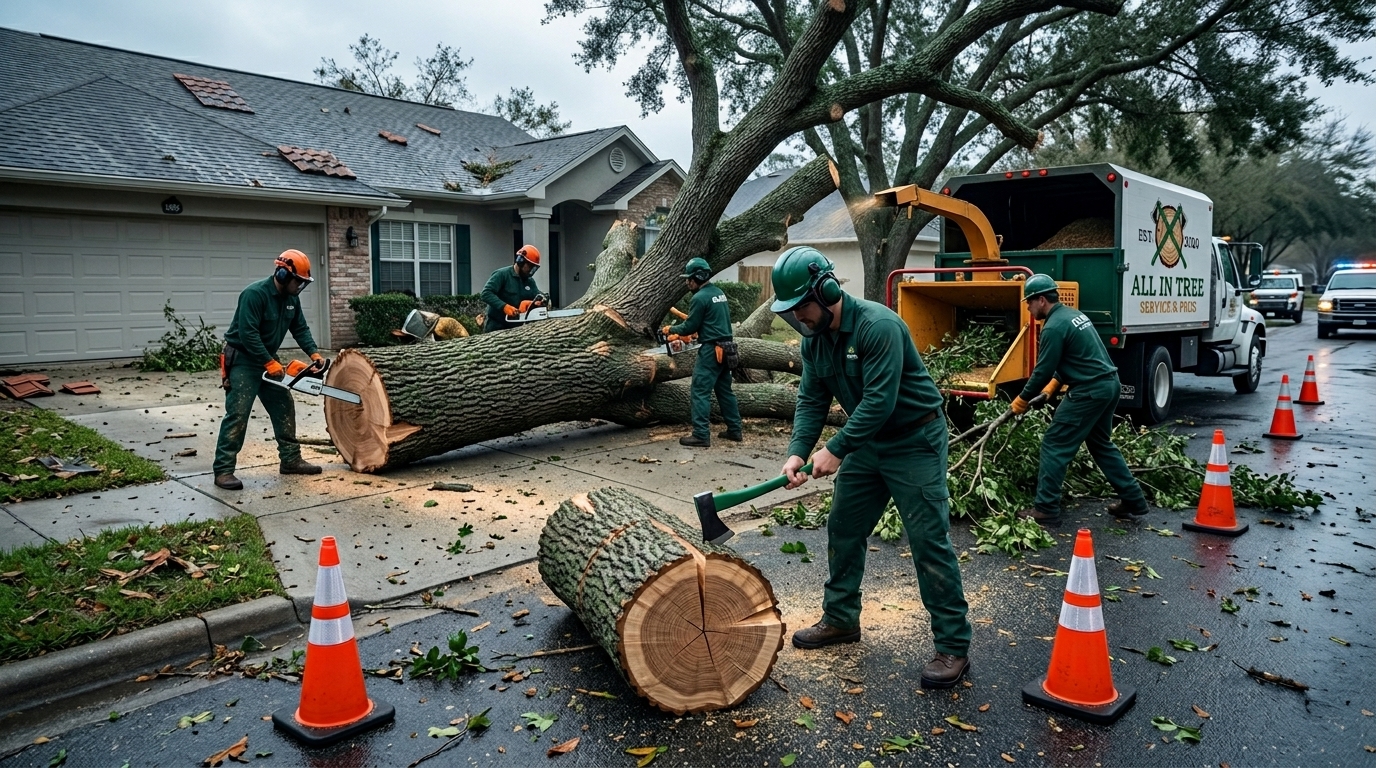
Oak canopy thinning. Large oaks develop dense canopies that block light and hold moisture against roofs. We thin the canopy to improve air circulation and reduce the risk of branch failure during storms. On a typical storm week, our crew might clear five or six trees off roofs and driveways, and many of those could have been prevented with regular trimming. Expect $500 to $1,500 depending on size.
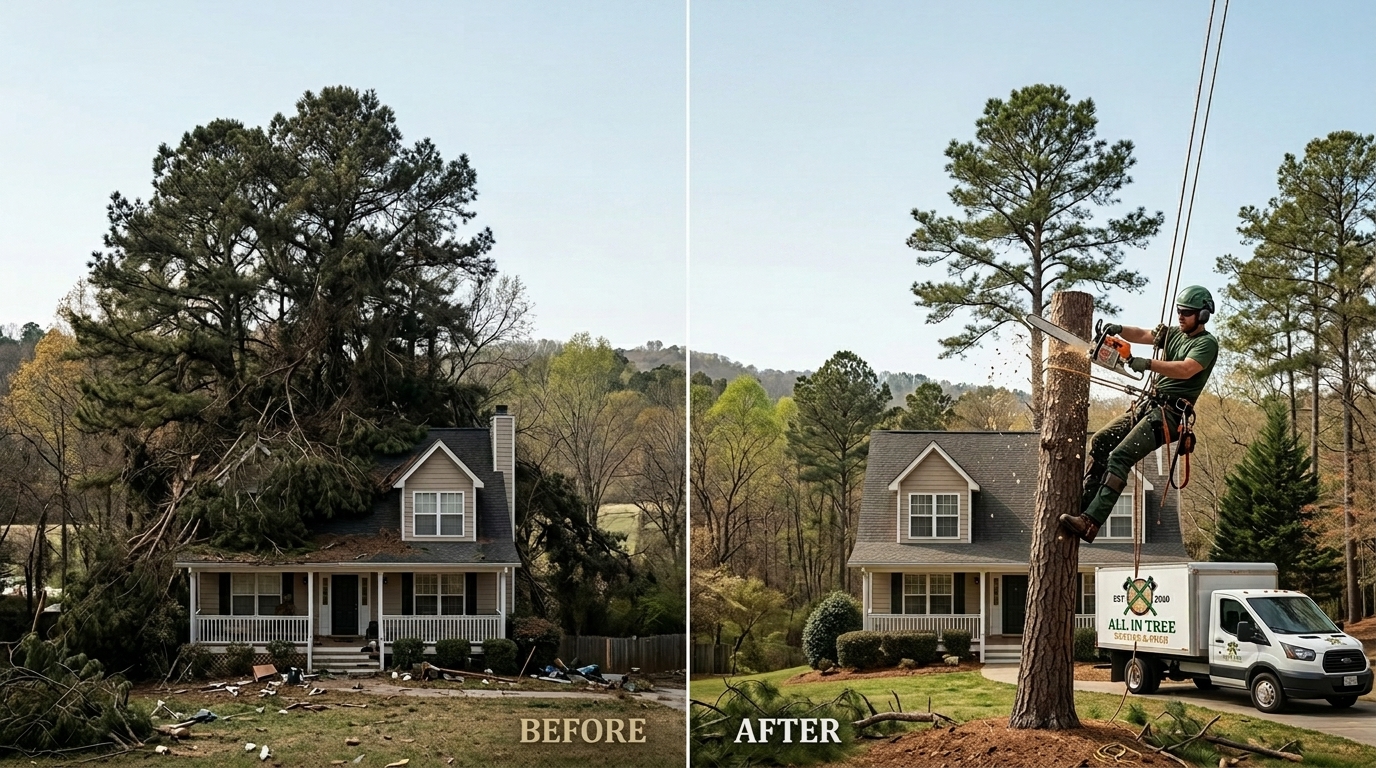
Pine deadwood removal. Loblolly and shortleaf pines drop interior branches as they age. Removing dead limbs reduces the chance of them falling during thunderstorms. We see the same pattern every year: customers put off that leaning pine until one bad storm finally takes it down. Expect $200 to $600 per tree.
Clearance trimming. Branches growing into power lines, over driveways, or against houses need regular clearance cuts. This is one of the most common reasons homeowners call us.
When Trimming Is Not Enough
Sometimes a tree is past the point of trimming. If more than half the canopy is dead, if the trunk shows signs of decay, or if the tree is leaning in a new direction, tree removal may be the better move. Check our tree removal cost guide for pricing details. If a tree is an immediate safety hazard, our emergency removal crew can respond the same day.